Originally published in 2017. But.. it’s that time of the year so I’m bringing this up. ;)
Growing up with about a hundred cousins, Christmas gatherings and family reunions were huge parts of my childhood. I enjoyed the company of my cousins and somehow that made me believe I was a party-going social butterfly and Christmas parties are the only way to do Christmas.
I couldn’t have been more wrong about myself. As I got older, I realised I prefer Christmasses to be quiet, intimate, and cozy.
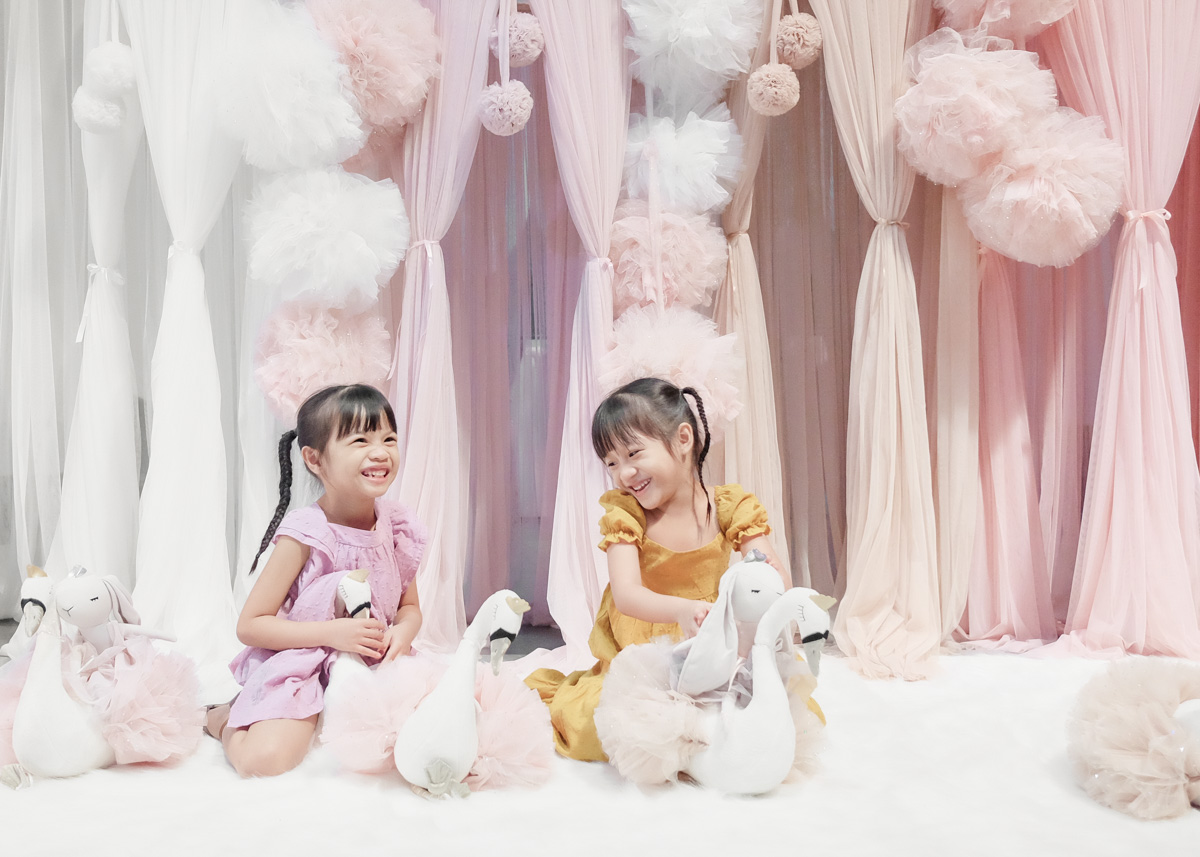
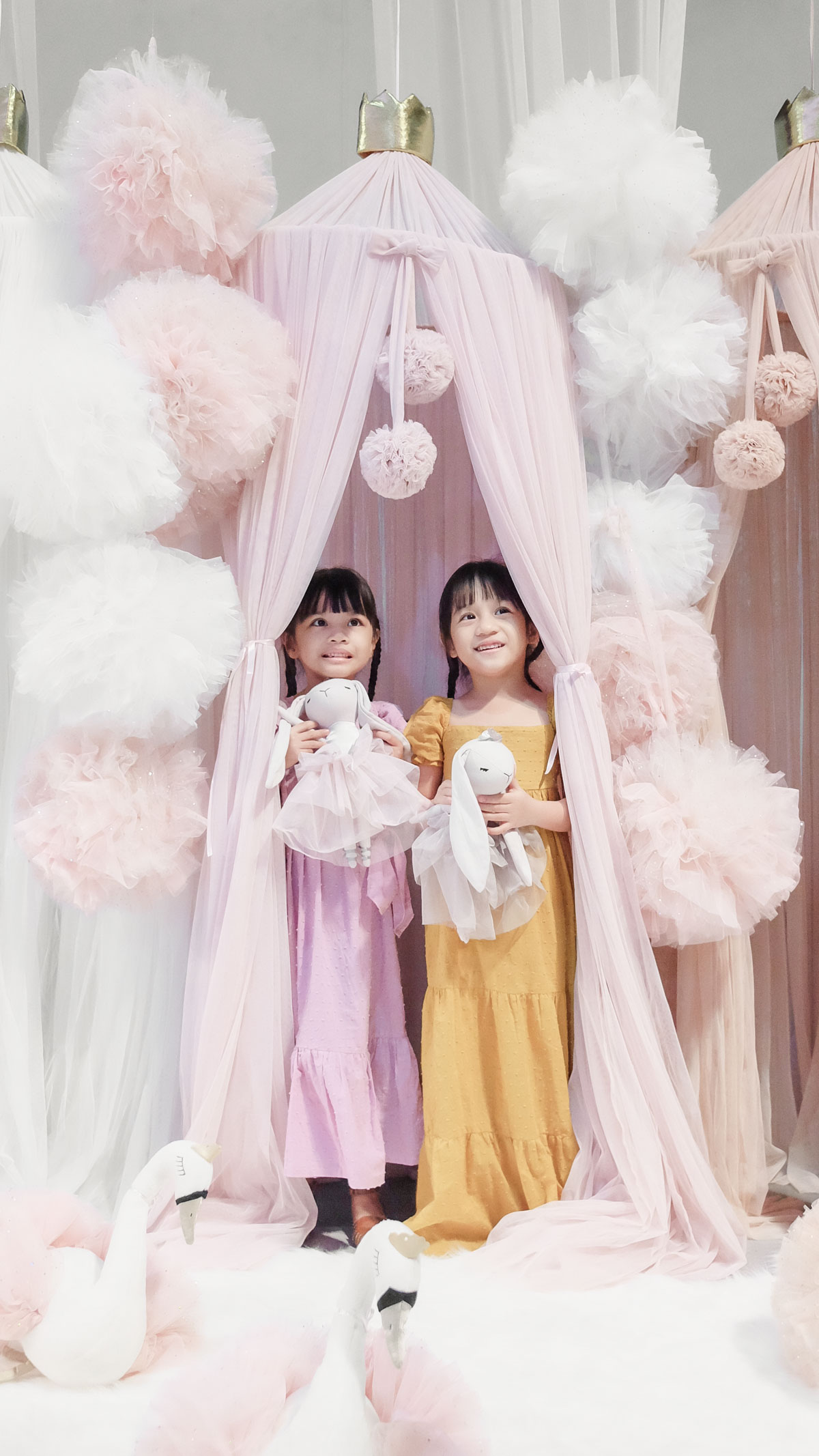
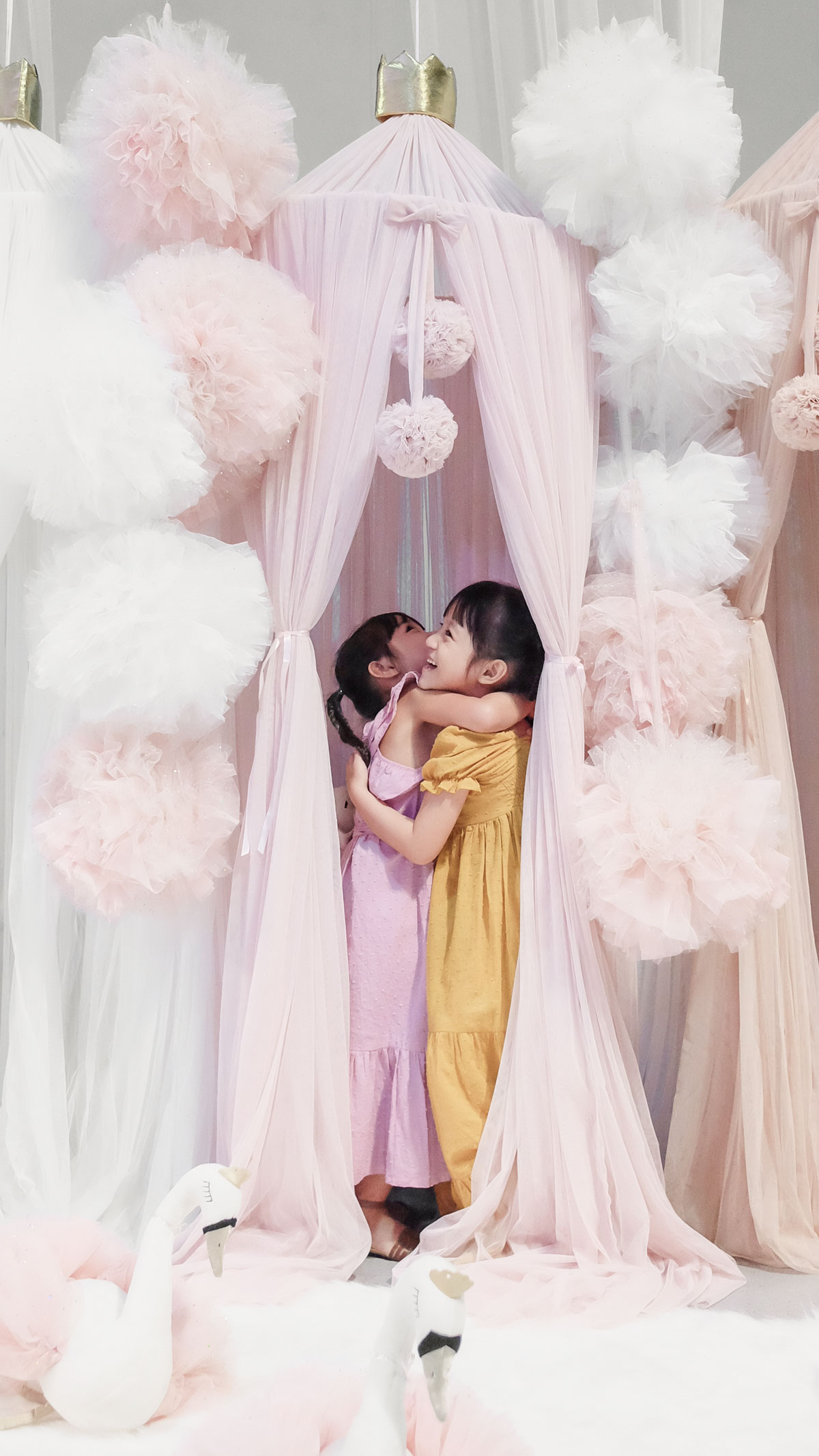
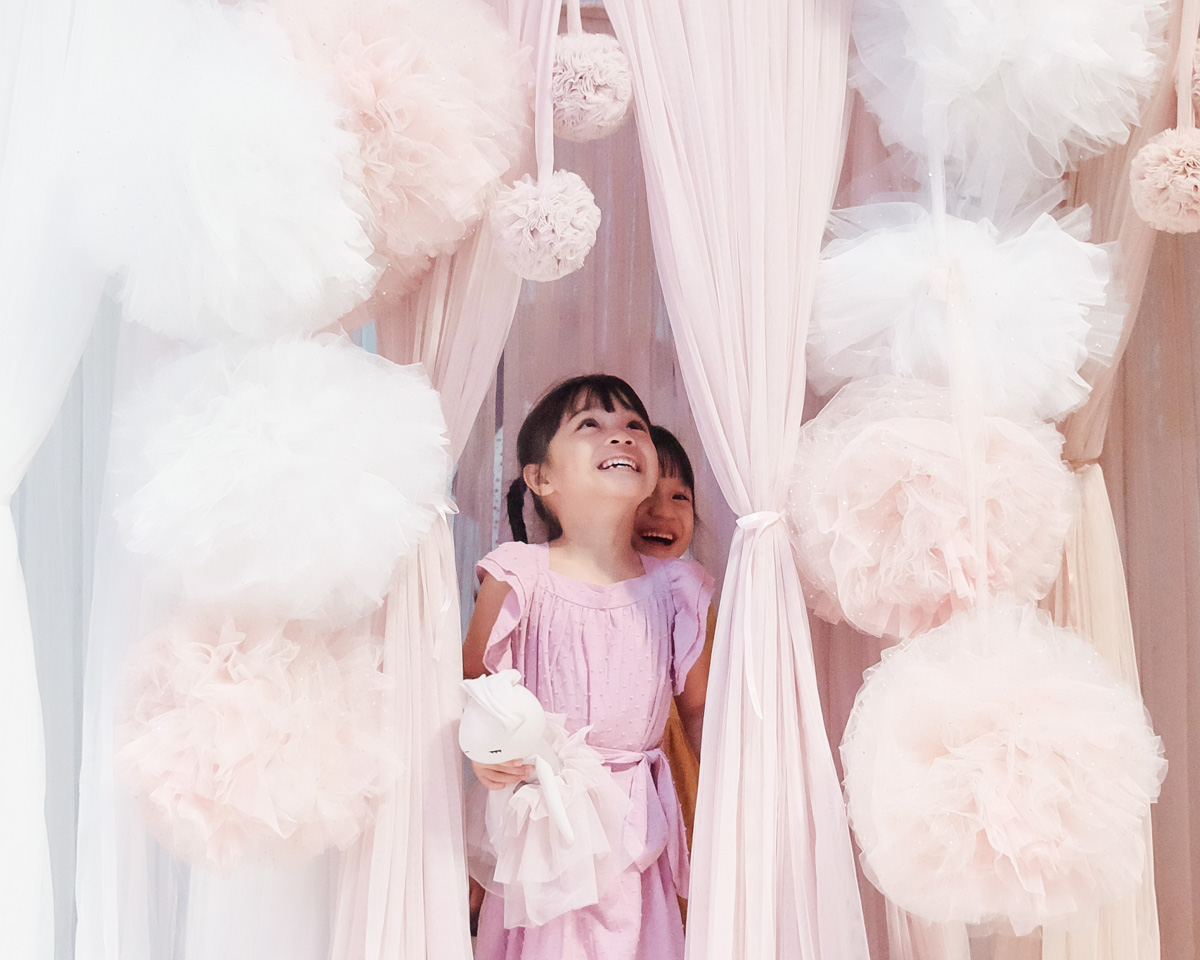
Late night movie marathons with my husband when the twins have gone to sleep is pretty high up on my grownup Christmas list. Give me cups of hot choco, a blanket, and the faint glow of a twinkly Christmas tree and I’m so there.
I did a quick Google search for movies to watch this holiday season and I’m surprised to find Christmas movie lists that don’t really suit my taste. And by “my taste” I mean, (1) family-oriented (2) romantic comedies, (3) usually set in some of the most iconic cities in the world, (4) with fall or winter season as backdrop, and (5) with main characters that are more or less in the creative field.
So I started making this Christmas movie list!
Let’s get to it.
1. You’ve Got Mail
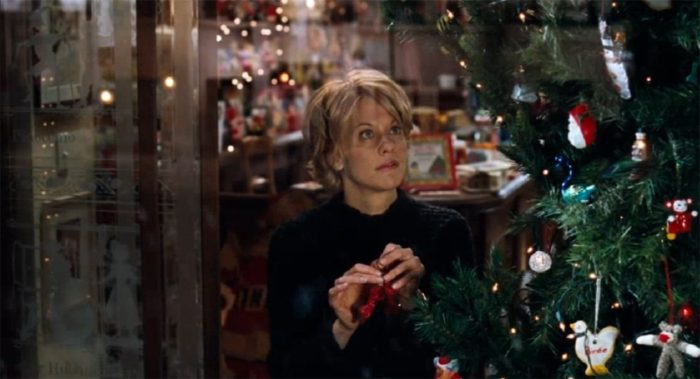
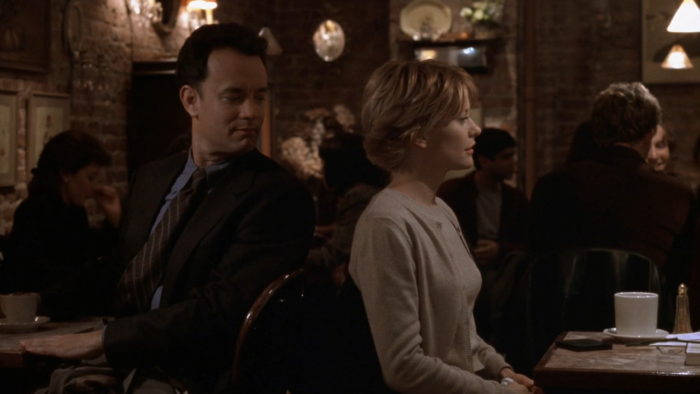
While I don’t really intend to rank these movies, it felt right to place You’ve Got Mail at the top of the list. Y’all know that the plot actually started in the Fall (ehem, “Don’t you just love New York in the fall?“) and ended sometime in Spring, where we find Kathleen Kelly (Meg Ryan) and Joe Fox (Tom Hanks) smooching at Riverside Park.
But some of its prettiest moments happened in the Christmas season.
Who would forget Kathleen putting up Christmas lights by her book shop’s window display (“Meanwhile, I’m going to put up more twinkling lights“), or when they had a “first date” at Cafe Lola? Uhm, not me.
What inspires me
Every time I watch this movie I feel like wanting to put up my own shop around a corner somewhere! (Tell me you feel the same way.) What Kathleen went through as a small business owner, competing against big “theme park, multi-level, homogenize-the-world mochaccino land” brands, is something relatable to us creatives. The love story is the icing on the cake, but Kathleen’s journey as a passionate, book-loving, female shop owner living in New York City (who occasionally lurked around online chatrooms), is everything in this movie.
As Frank so eloquently typed on his typewriter, she was “a lone reed, standing tall, waving boldly in the corrupt sands of commerce.” (I am seriously typing these lines from memory.) She sold children’s books not only to make a living but also because it was her passion, her family’s legacy.
And then, of course, we know that she had to bravely close shop, and don’t we all find ourselves in that same crossroad every now and then? Closing chapters and letting go to make room for, you know, life things?
You’ve Got Mail is a classic, and yes, it just had to be #1 on my list.
2. Serendipity
These first two movies are probably my most favorite romantic comedies of all time (is it just me the rom coms of the 90s are the best??).
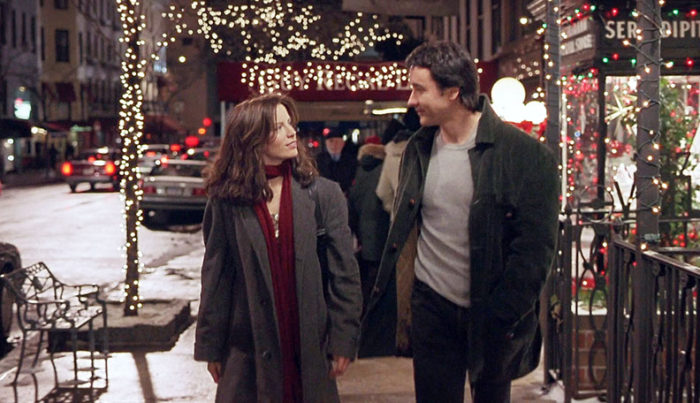
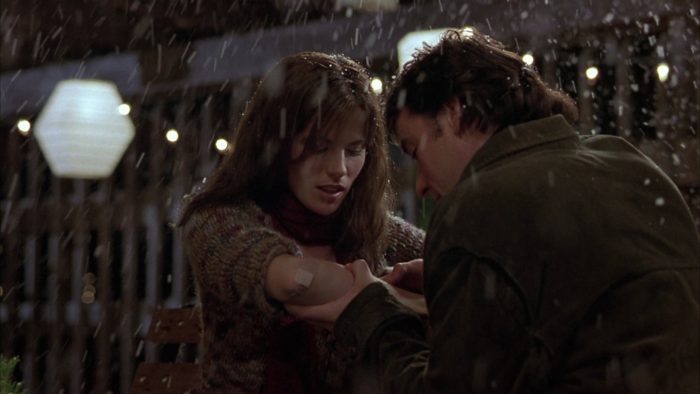
The movie started during a busy holiday season, where Sarah Thomas (Kate Beckinsale) and Jonathan Trager (John Cusack) met in the middle of a jampacked Bloomingdale’s. And y’all know that the story ended a year later, on a cold December night at the Wollman Rink in Central Park.
On a personal note, there’s something incredibly inspiring about being in New York in the last quarter of the year! The cold weather, the holiday rush, the lights, the fashion, Central Park, Serendipity’s frozen hot chocolate. Ahh. <3
What inspires me
There’s a lot in the movie that inspires me, but I want to specifically cite Jonathan’s pretend-eulogy, written by Dean, his obituary-writing best friend, “Even in certain defeat, the courageous Trager secretly clung to the belief that life is not merely a series of meaningless accidents or coincidences. But rather, its a tapestry of events that culminate in an exquisite, sublime plan.”
Sure it was about a boy and a girl serendipitously meeting each other in the most romantic of cities, letting each other go, and somewhat finding each other again. But underneath the love story are so many other things about life, and passion, and knowing that, yes, life is not a series of meaningless coincidences. Everything that happens in our journey—the good and the bad—ultimately leads us to the center of Wollman Rink, whatever Wollman Rink represents in your life.
3. The Family Man
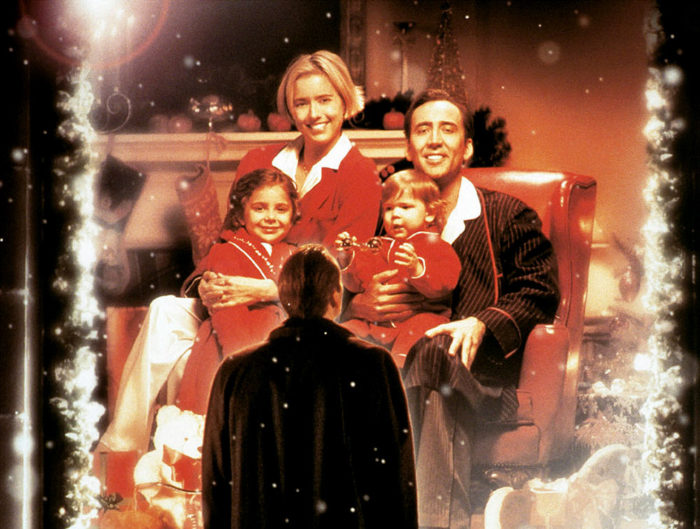
I’m surprised to know that not a lot of people I know are familiar with this one. It’s a Nicholas Cage drama, and I suppose we’re all not used to Nicholas Cage being, well, a family man? (Here’s the 2000 trailer.)
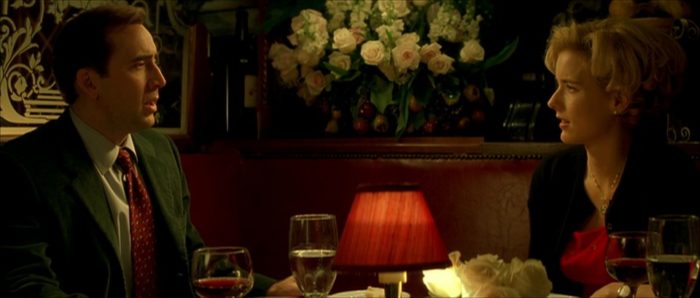
In the movie, he played Jack Campbell, a Wall Street investment broker who had everything he wanted in life until he was given a glimpse into what he was really missing. By some magic, he woke up to a life he would have lived if he chose to marry his college girlfriend Kate—a tire salesman living in Jersey with two kids—which is a million times different from his luxurious Wall Street lifestyle and bachelor existence.
I love Kate Reynolds (Tea Leoni), both her “glimpse” and her present self. In the “glimpse”, she was a nonprofit lawyer who chose family over a high paying career. In reality, when Jack didn’t marry her, she became a successful corporate lawyer in Manhattan and had a bright future waiting for her in Paris. I think she would have lived a successful and passionate life, either way. :)
What inspires me
The story was all about the sacrifices that come with choosing family life over career, or vice versa. I think that regardless of the path they chose, both Jack and Kate would end up living passionate lives anyway; and as it is a fictional love story, they would end up together anyway. And I like that!
My husband and I talk about these scenarios a lot. Like, what if we had set aside our life together for a few more years, didn’t marry each other (yet) and prioritized our careers… Would we have ended together still? Would we have a better life? Or then again, would we have missed out the adventure of pursuing our dreams together?
Point is, I’m not one to say that family life is better than a career, or being married and having children is better than being single. I think regardless of our statuses and seasons in life, kids or not, single or married, we can always choose to be content and happy and passionate.
Well, that went too deep too fast. You should really watch The Family Man!
4. Stuck in Love
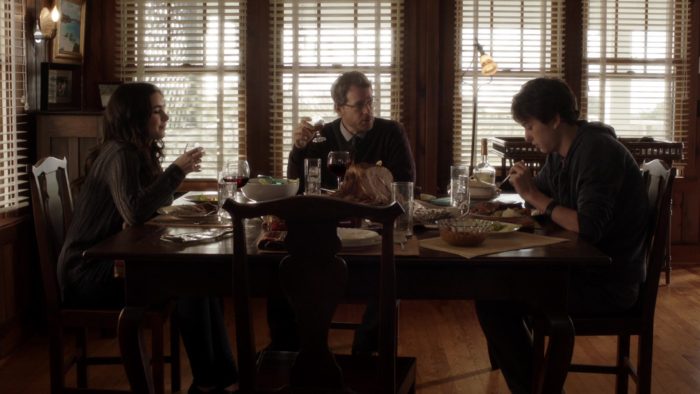
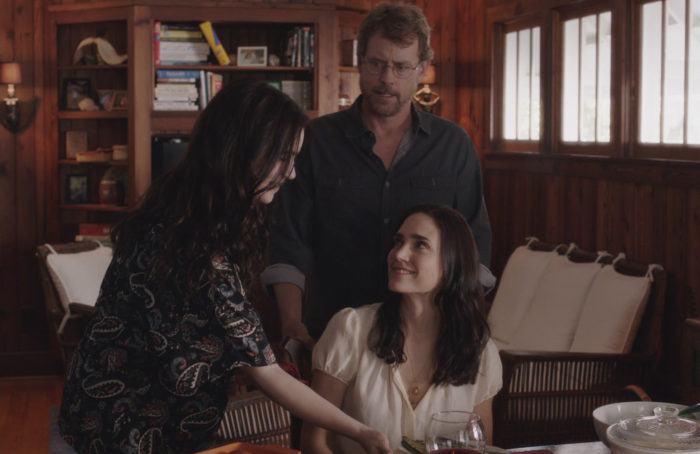
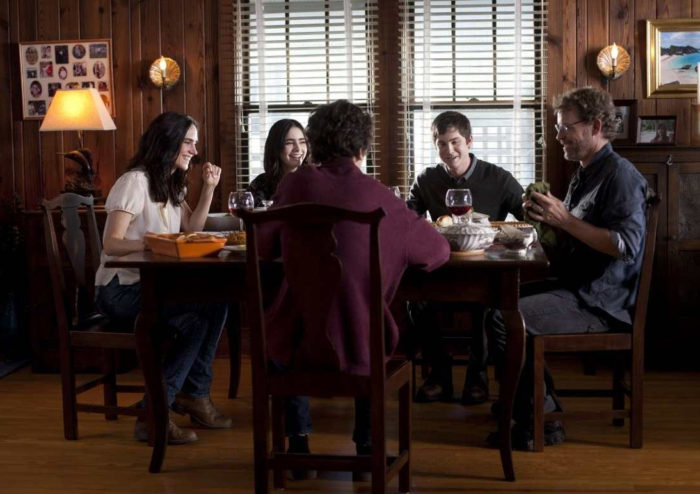
This one’s a story about a family of writers who struggled with their creative processes in the midst of their challenges as a family. William (Greg Kinnear), a world-renowned writer with several bestsellers under his name, was separated from his wife Erica (Jennifer Connelly). Quite the stubborn ex-husband, William spent the past two Thanksgivings setting up a spot in the table for her, believing that someday she would come back.
Meanwhile, their children Samantha (Lily Collins) and Rusty (Nat Wolff) had to witness all of the drama and to live through their weird family dynamics. Sam, who has become cynical about love and marriage, hated her mother for leaving their father, eventually writing her first fiction novel with true-to-life references to her parents’ failure at love.
She and Rusty grew up wanting to be writers, mostly because of their father’s pressure and influence (and quite possibly genes) but had to struggle through their father’s high expectations. As William pressured his children to write, he struggled with writing himself.
In all of these, everyone in the family ended up finding love, and each other. And then of course I love the soundtrack. And Kirsten Bell’s cameo.
Don’t let me give out all the details! (I’m stopping.) Here’s the 2012 trailer, btw. I really like watching this movie and talking about it. Again, not a lot of people I know have seen it. (Have you? Seen it? Talk to me!!)
What inspires me
For obvious reasons, I love that this was a story about writers and writing—the real-life inspiration behind writing beautiful stories, how writers draw ideas from personal experiences, broken hearts, joy, pain.
William quoted from his favorite books when he gave words of advice to his children, and he had a pretty inspiring speech himself during Sam’s book launch where he addressed other young, aspiring writers. (Here’s the clip.)
“.. I’m not sure I have much to say about it (writing) that could benefit you. I still find it all very mysterious, years after I wrote my first book. And I’m not sure what it is that compels a person to continue to play make-believe even after they’re an adult.
My favorite book is a collection of short stories by Raymond Carver called What We Talk About When We Talk About Love. In the closing lines of the book, Carver says, ‘I could hear my heart beating. I could hear everyone’s heart. I could hear the human noise we sat there making. Not one of us moved, not even when the room went dark.’
And I think that that’s what writing is. Is listening to that beating heart. And when we hear it, it’s our job to decipher it to the best of our abilities.”
Finally (ok, ok I’m done), the story was about different manifestations of love: Love for the art of writing, love for family, love for life. It was about husbands and wives, mothers and daughters, sisters and brothers. I love that Stuck in Love ain’t your ordinary love story. It tackled realistic situations that make or break a family, and I’m glad that in the end, they all decided to let love win.
5. While You Were Sleeping
Another classic, I remember watching this on the big screen with my mom and I think it was about the time I started getting “into” Hollywood romcoms. (Thanks, Mom!) And I probably shouldn’t talk about how I crushed on Bill Pullman for about a year after watching this flick.. yes, you guys, at 12 years old.
It’s one of my most favorite classics to watch, and the Callaghans have become almost like those distant relatives you really like seeing on Christmas.
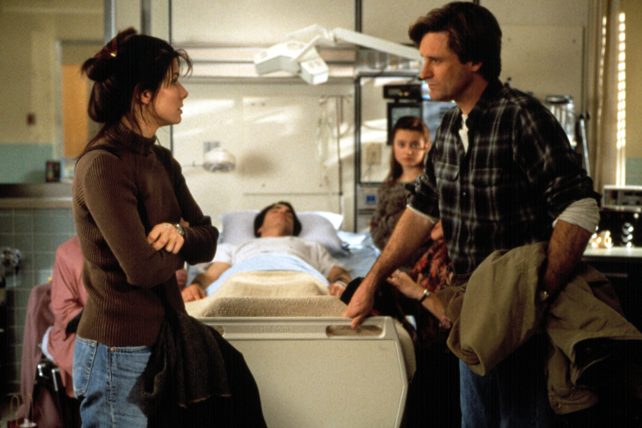
There’s a bit of everything in the story—about growing up without a family, belonging to a family, dreaming of Florence since you were a little girl, doing a monotonous job that makes you die a little each day, figuring out what your real passion in life is, going through what you thought was just an ordinary day not knowing that it would change your life forever.
What inspires me
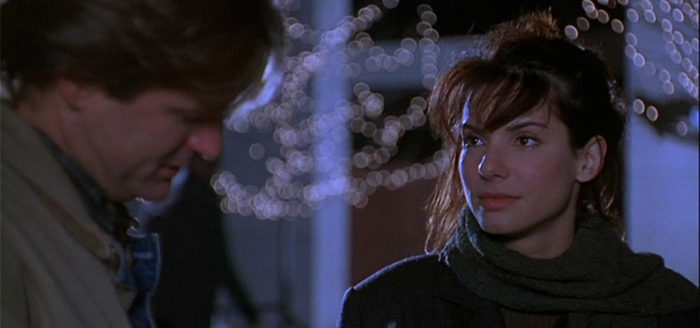
While Lucy (Sandra Bullock) was the main character of the story, I like Jack (Pullman)’s side-story, where he told his father that he didn’t want to continue doing their family business anymore, instead, he wanted to start his own. A skilled carpenter and furniture designer, Jack decided to do his side business full-time. Relate much? :)
And then there’s Lucy’s closing lines, of course, forever engraved in our minds. “So I had planned to marry Peter, but I married Jack instead. I guess my father was right. Life doesn’t always turn out the way you planned. But Jack, Jack gave me the best gift, a stamp in my passport. He took me to Florence for our honeymoon. I guess you can say he gave me the world.”
Hearts all over my eyes.
6. Time Travelers Wife
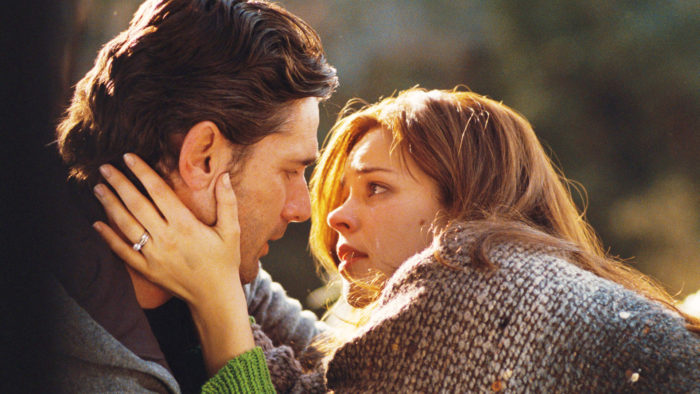
This one’s maybe too heavy for Christmas because there’s a bit of a tragic death in there (it’s not like you don’t already know what happened). But even with that significant plot twist, the story had a lot of happy and funny and heartwarming moments.
Not to mention, Rachel McAdams and Eric Bana. Also, who doesn’t like a love story with a bit of time travel?
What inspires me
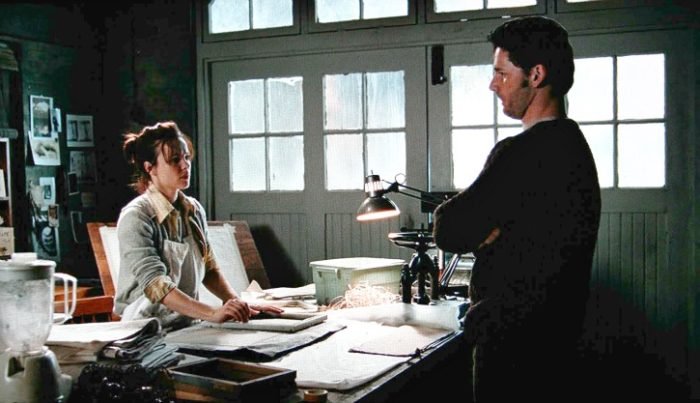
I love the little detail that Clare (Rachel McAdams) was an artist and a few scenes were taken in her little studio by the garage. I think artists have a special way of seeing life and raising a family, and I love how that played out for Clare’s character.
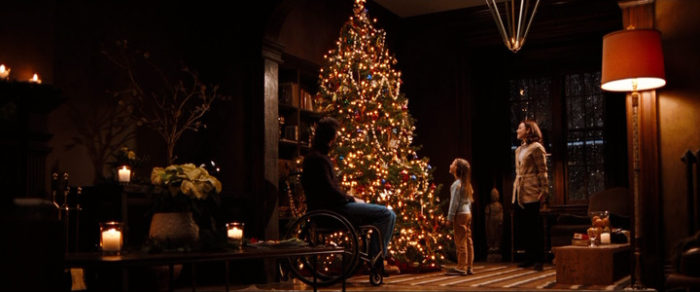
But most of all I love that the story was about appreciating life, and every fleeting moment we get with our loved ones. There’s a moment when Henry, Clare and their daughter Alba sat together by the Christmas tree that just triggers all the feelings. As Henry (Eric Bana) was living on borrowed time, Clare and Alba knew that it was their last Christmas together and there’s no time to lose. It was bittersweet in so many levels, but they did get that rare opportunity to make every moment leading to his death, count.
Makes me think about my own life and what I’d do if today was my last and I had nothing to lose. Brb.
7. The Holiday
Two heartbroken women found each other online: Amanda Woods (Cameron Diaz), a movie trailer producer who lived in a mansion in Los Angeles, and Iris Simpkins (Kate Winslet), a column editor who lived in an adorable English cottage in Surrey. Agreeing to trade houses for the holidays, they each found love in the most unexpected ways and their lives became more entangled than they imagined.
And what a treat, to see Cameron Diaz, Kate Winslet, Jude Law and Jack Black in one film!


What inspires me
Watching this movie has always inspired me to take risks and to allow myself to make those impulsive decisions sometimes. Amanda and Iris were both heartbroken at the start of the story, which reminds me how breaking up with someone could feel like it’s the end of the world. (It’s not.)
Being married now, I’m glad I never have to go through that kind of pain anymore. However, I do remember that, while breakups could bring about the saddest and most paralyzing feelings ever, it could also feel quite.. liberating. Like you’re given a clean slate and you could start over.
Oan, I was in my early twenties when I first saw this movie and I remember seriously thinking about living in a faraway place and immersing myself in the culture there. Which I somehow did, in a way, when I stayed in New York City for about 2 months in 2010. I would never trade that experience for anything! And by the way, I could definitely have some of that winter. Cameron Diaz’s winter wardrobe is so dreamy!
8. No Reservations
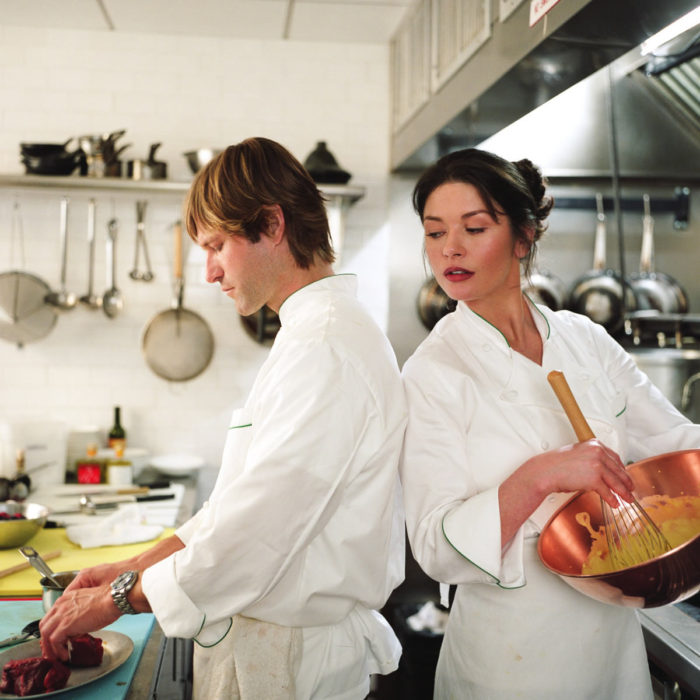
Am I the only one who misses seeing Catherine Zeta-Jones in the big screen? No Reservations was about a control-freak, obsessive-compulsive, strong-willed woman who worked as the executive chef at a restaurant on Bleecker Street. She was passionate about perfecting her recipes and obsessed about her routines. She was also occasionally visiting her therapist to help her process her thoughts and emotions.
Therapy aside, Kate (Zeta-Jones) got everything in her life under control until Zoe (Abigail Breslin), her orphaned niece, and Nick (Aaron Eckhart), a guy she worked with, disrupted her life. She started freaking out and pushing Nick away and dissing at customers and generally making a mess. And don’t we all feel that way sometimes when we lose control of things?

What inspires me
Watching the movie makes me want to master Italian cuisine, or to enroll in a culinary class or something. Kate moves around the kitchen with so much grace, like she’s floating or dancing. And I love how culinary is portrayed as an art in this film, and how the kitchen became the common ground that brought Kate, Nick, and Zoe together.
It’s a rare thing, to find a career that you and your life partner are both passionate about. The end of the story had Nick and Kate quitting their jobs and opening their very own restaurant. Doesn’t that make you want to take a leap of faith too and just do that thing you’ve always wanted to do?
9. The Vow
This isn’t the first time I’m blogging about The Vow. I happened to have seen it when I was pregnant (and excessively hormonal) and blogged after watching it. Which is, by the way, why you don’t want to blog while you’re excessively hormonal.
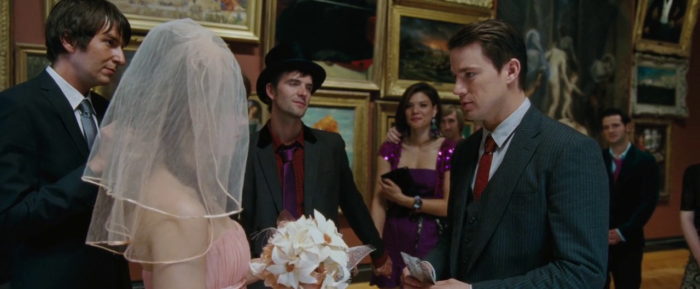
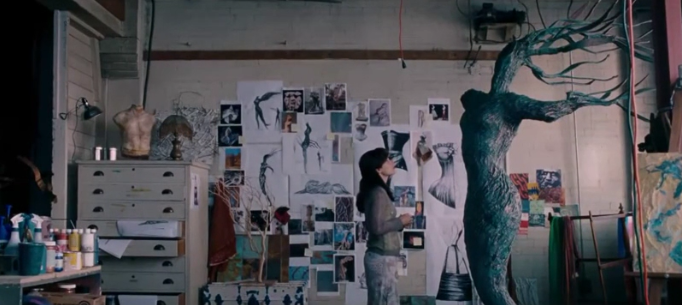
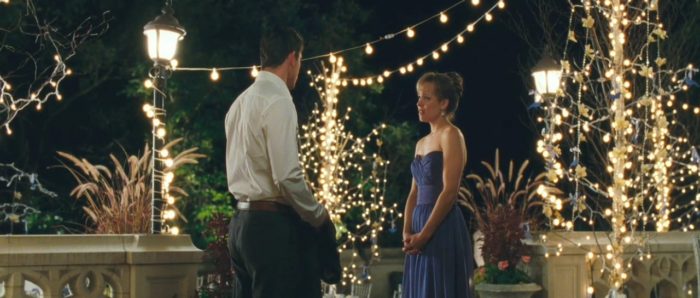
The Vow was as millennial as any story could be, with two young people defying the norms and leaving behind comfort zones to pursue a life of passion. Paige (Rachel McAdams) left law school to enroll herself in an art institute in Chicago. Leo (Channing Tatum), on the other hand, opened a small recording studio when music production was a dying business. Meeting each other and having an instant connection, Leo and Paige fell in love and got married in a museum (I just love their no-fuss speed-wedding and their beautifully written vows!)
An accident took all of these away when Paige suffered a brain injury and had an amnesia that erased all of her memories from the recent years—which includes Leo, art school, and all the friends she’s made in her “new” life. Leo worked hard to make his wife fall in love with him again, except Paige had no recollection of their life together. They ended up with a divorce.
As Paige figured herself out, she ended up making the very same choices she made before the accident—enrolling in art school, moving back into the city, becoming an artist, ultimately bringing her right back to Leo.
What inspires me
The Vow was based on a true story, and that to me made the movie really special. While these moving images are carefully styled, shot, edited and produced, you just know that stuff like this does happen in real life.
More than Leo’s unconditional love for Paige, seeing both their lives as artists is quite inspiring. Their love for each other was adorable, and their respect for each other’s artistry was just beautiful. Leo supported her in her art, and Paige encouraged him in his music business. There’s a unique connection when two creative people fall in love with each other, I think it’s a blessing when you know that your spouse completely gets your passion.
Yep. The Vow is a must-watch rom-com if you need some creative inspiration. ;)
10. Marley & Me
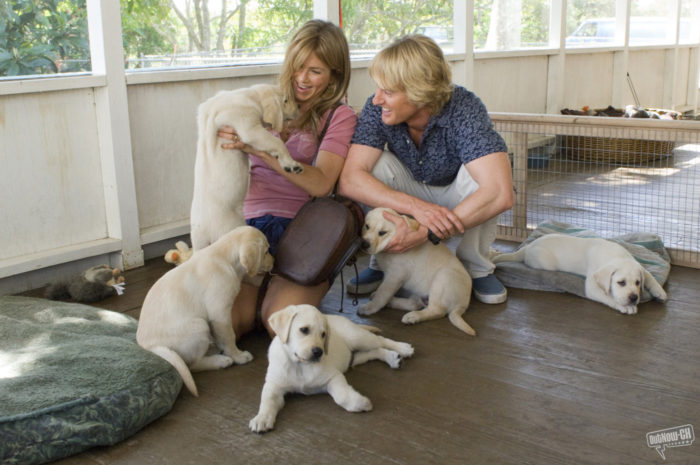
It wasn’t just a story of a dog’s life. It’s the journey of John and Jennifer Grogan (Owen Wilson and Jennifer Aniston) who raised Marley as they raised a family.
Both of them writers, the earlier parts of the movie showed them working as reporters for competing newspapers. When Jennifer got pregnant with their second baby, she resigned from her job so she could raise their kids. Eventually, John’s writing career picked up. He started writing his own column, and his column served as a (sort of) memoir of his dog and his family.
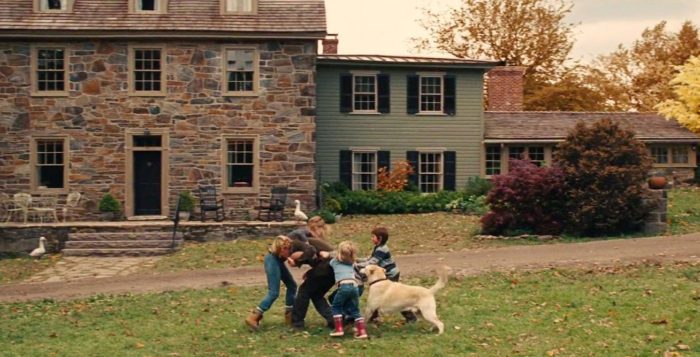
I thought it was brilliant that they used the family’s milestones as markers to Marley’s life—from the time they got married to the time they were trying to have babies, and to actually raising babies. Through shifting careers and earning promotions and leaving jobs, to buying new homes and moving to different cities.
It was beautiful to watch the various seasons in the life of a growing family.. and how an adorable and insanely playful labrador stood as a witness to it all.

What inspires me
I wasn’t married yet the first time I saw this movie, and it didn’t have the same effect on me now that I have my own family. Although I’m not a dog person, I love watching John and Jennifer grow together and stay together through the struggles of marriage and family life.
Jen leaving a career she loved to focus on motherhood, and John passing up on some job opportunities to prioritize family—the story hits close to home for us, family makers. The mechanics of balancing family life and career, of being present for your kids and providing for them at the same time, of moving to a different city for a job opportunity and carefully considering your children’s future while making all of these choices.. hands down, #truestory to many of us.
And then, of course, there’s the dog. I think Marley was a representation of loyalty, companionship and unconditional love—we all need a Marley in our life!
Edited: December 2018
2 More Movies for the Musically-Inclined
The past few years gave us movies we’ll keep watching and singing along to for years to come! I’m adding these two to my list!
11. The Greatest Showman
12. Lalala Land
I think I may have gotten carried away writing this one! I hope you enjoyed reading this post, but most of all, I hope you’re able to take a nice long break from all your busy-ness this holiday season, prop your feet up, and enjoy watching!
How many of these movies have you seen? Which one is your favorite? Anything else you’d add to the list? :)
 [/su_column] [su_column size=”1/2″ center=”no” class=””]
 [/su_column][/su_row]
 [/su_column] [su_column size=”1/3″ center=”no” class=””]
 [/su_column] [su_column size=”1/3″ center=”no” class=””]
 [/su_column][/su_row]
 [/su_column] [su_column size=”1/2″ center=”no” class=””]
 [/su_column][/su_row]
 [/su_column] [su_column size=”1/2″ center=”no” class=””]
 [/su_column][/su_row]
 [/su_column] [su_column size=”1/2″ center=”no” class=””]
 [/su_column][/su_row]

 [/su_column] [su_column size=”1/2″ center=”no” class=””]
 [/su_column][/su_row]

 [su_row][su_column size=”1/2″ center=”no” class=””]
 [/su_column] [su_column size=”1/2″ center=”no” class=””]
 [/su_column][/su_row]
 [su_row][su_column size=”1/2″ center=”no” class=””]
 [/su_column] [su_column size=”1/2″ center=”no” class=””]
 [/su_column][/su_row]
 [/su_column] [su_column size=”1/2″ center=”no” class=””]
 [/su_column][/su_row]
 [/su_column][su_column size=”1/3″ center=”no” class=””]
 [/su_column][/su_row][su_row][su_column size=”1/2″ center=”no” class=””]
 [/su_column] [su_column size=”1/2″ center=”no” class=””]
 [/su_column][/su_row]
 [/su_column] [su_column size=”1/2″ center=”no” class=””]
 [/su_column][/su_row]
 [/su_column] [su_column size=”1/2″ center=”no” class=””]
 [/su_column][/su_row]
 [/su_column] [su_column size=”1/2″ center=”no” class=””]
 [/su_column][/su_row]
 [su_row][su_column size=”1/2″ center=”no” class=””]
 [/su_column] [su_column size=”1/2″ center=”no” class=””]
 [/su_column][/su_row]









 [/su_column] [su_column size=”1/2″ center=”no” class=””]
 [/su_column][/su_row]
 [/su_column] [su_column size=”1/2″ center=”no” class=””]
 [/su_column][/su_row]
 [su_row][su_column size=”1/2″ center=”no” class=””]
 [/su_column] [su_column size=”1/2″ center=”no” class=””]
 [/su_column][/su_row]


 [/su_column][su_column size=”1/2″ center=”no” class=””]
 [/su_column][/su_row]

 [/su_column] [su_column size=”1/2″ center=”no” class=””]
 [/su_column][/su_row]
 [/su_column] [su_column size=”1/2″ center=”no” class=””]
  [/su_column][/su_row]
 [/su_column] [su_column size=”1/2″ center=”no” class=””]
 [/su_column][/su_row]

 [/su_column] [su_column size=”1/2″ center=”no” class=””]
 [/su_column][/su_row]



 [/su_column] [su_column size=”1/2″ center=”no” class=””]
 [/su_column][/su_row]
 [/su_column] [su_column size=”1/2″ center=”no” class=””]
 [/su_column][/su_row]

 [/su_column] [su_column size=”1/2″ center=”no” class=””]
 [/su_column][/su_row]